Homes leak cash in silent methods. Old home windows are among the most awful transgressors, slipping warm out in winter, inviting it in throughout summer season, and letting your heating and cooling system labor via longer cycles than necessary. Swap in the ideal replacement systems, installed appropriately, and you minimize power usage, stabilize room temperatures, and shield the building from moisture and UV damage. The numbers are not theory. They turn up on lower energy bills, a quieter home, and fewer solution calls for a stressed heating system or air conditioner.
This overview originates from years in the area, pulling deteriorating sash structures out of plaster walls, crawling around stucco returns with a flashing device, and gauging delta-T across panes on icy mornings. Home window substitute is not magic. It is constructing science done easily at an at risk opening in your envelope. When you straighten glass window replacement Austin TX innovation, structure materials, and careful home window installation with the rhythms of your environment and residence, you earn the financial savings that pamphlets promise.
Where energy in fact runs away at a window
Most people point to glass, and of course, polishing matters. But warmth loss and gain take place via 3 main paths: conduction with glass and structures, air leak around the unit, and radiation from sunlight. On gusty evenings in older homes, the bigger problem is commonly infiltration at the frame-to-wall joint, not the pane itself. The leak course normally conceals behind trim where the old sash weight pockets or shims rest. Seal that space well, and even a mid-range double pane home window can supply large convenience gains.
Radiant heat is the summer bane. Without the right Low-E coverings and a reasonable solar warmth gain coefficient, southern and western exposures turn spaces right into stoves. Structures count also. Aluminum carries out warmth rapidly, vinyl resists it, fiberglass does even much better, and timber carries out well yet needs defense and maintenance. Pay attention to the whole setting up, not just the visible glass.

The quantifiable metrics that matter
Window stickers lug four numbers that deserve your interest. U-factor steps heat loss price. Lower is better. In most U.S. climates, a U-factor in between 0.20 and 0.30 is an excellent target, with the reduced end a lot more helpful in cooler zones. Solar Warm Gain Coefficient, or SHGC, runs from 0 to 1. Lower restrictions summertime heat gain, greater can aid winter season warm in cool, sunny places. Visible Passage (VT) informs you how much natural light makes it through. Air leakage rating, if provided, indicates exactly how breezy the unit will feel at pressure.
A property owner in Minneapolis may select U 0.22, SHGC 0.35 on south home windows to harvest winter season sunlight, and U 0.22, SHGC 0.25 on west home windows to tame afternoon warmth. A homeowner in Phoenix often goes for U around 0.25 and SHGC closer to 0.20 on all direct exposures to reduce AC tons. The ideal combination adjustments by area and positioning. If a salesman provides a single specification for the whole residence without asking where the windows deal with, ask far better questions or find a various vendor.
Glass modern technology, in ordinary terms
Modern double and triple pane devices trap a protecting gas, normally argon, sometimes krypton in narrow cavities. Low-E finishings mirror infrared energy back where it originated from, inside throughout wintertime and outside during summer season. Makers tune these finishings. One type could pass more daytime but block more solar heat. An additional could prioritize winter retention at the price of a darker tint. None of this is marketing fluff. I have actually gauged a 10 to 15 degree Fahrenheit surface area temperature level distinction in between a clear dual pane and a dual pane with contemporary Low-E on a bright January day. That equates to less heating system cycles and fewer chilly drafts you really feel near the glass.
Triple pane home windows beam in very cool environments and in homes near busy roads. The extra layer quiets noise and reduces U-factor a notch. They include weight, cost, and impose stricter installation needs. In a moderate environment, the repayment extends and occasionally never ever captures up. You make use of the appropriate device for the environment, not the most expensive one.
Frames, spacers, and why the information include up
Frames are not passive. They can link heat in or out if the material performs power openly. Plastic frameworks with multiple inner chambers insulate far better than hollow plastic. Fiberglass structures withstand motion under temperature swings and match glass development rates extra very closely, which aids seals last much longer. Wood has the traditional appearance and solid thermal performance, yet it needs exterior cladding or constant upkeep to avoid rot.
Spacers in between panes should have a mention. Older aluminum spacers encourage a "cold edge" that cultivates condensation. Warm-edge spacers constructed from stainless steel, foam, or compounds decrease this effect. If you have ever seen a dark ring of dampness around the perimeter of a window on a cool early morning, you have seen the spacer's role. Modern spacers reduced that threat and aid shield indoor finishes.
The setup matters as much as the window
You can buy the very best executing system on paper and still end up with drafts and wetness troubles if the home window setup falls short at the essentials. Every job boils down to three layers: water handled to the outside, air secured between framework and wall, and thermal insulation loading the harsh opening without warping the frame.
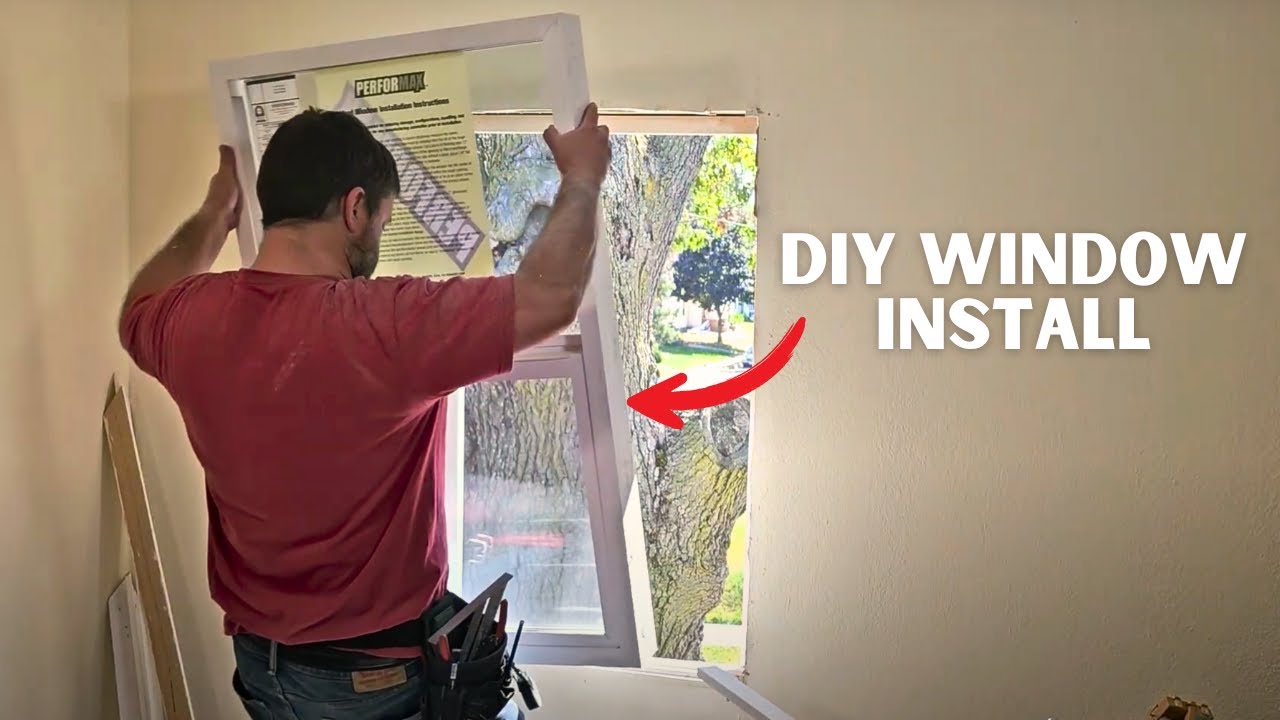
An easy retrofit on a home with excellent exterior siding and intact flashing might get a pocket or insert window. This approach keeps the existing frame and trims, gliding a new device within. It is quicker and less expensive, but it tightens the glass location a bit and can not deal with underlying flashing problems. A full framework replacement gets rid of everything down to the studs, allows you appropriate openings, repair work rot, and mount appropriate sill frying pan flashing and self-adhered membrane layers. It takes longer and costs much more, yet it is the appropriate selection when water invasion turns up or when historical structures have shifted out of square.
On site, we begin by checking the opening for degree and plumb, after that dry-fit the window. Following comes a flexible sill pan or preformed frying pan that pitches any incidental water to the outside. We use sealer grains at the nailing flange, set the system, secure per supplier pattern, confirm operation, and after that incorporate the flange with housewrap making use of shingle-style flashing tape layers. Inside, we insulate the gap with low-expansion foam or mineral woollen to avoid bowing the structure, and we finish a continuous air seal at the interior airplane with caulk or tape. Miss any kind of among those actions, and the window's laboratory performance stays in the lab.
What genuine savings resemble on a typical house
Home energy usage differs extremely by climate, family members routines, and tools. Still, some patterns repeat. In a 2,000 square foot wood-frame home built in the 1980s with single pane aluminum sliders and no Low-E double-glaze window, I have actually seen heating costs go down 15 to 25 percent after a full home window replacement integrated with careful air securing and attic room top-off insulation. In a similar home with aging double pane systems that had actually stopped working seals and fogged glass, changing with contemporary Low-E double panes normally cut 8 to 15 percent.
Cooling financial savings typically turn up much more dramatically due to the fact that old clear glass welcomes solar gain. In cozy climates, minimizing SHGC on sun-facing elevations can cut peak cooling lots enough to let a right-sized air conditioning run steadier and cycle much less. That steadier run is not only quieter. It dehumidifies far better. People phone call to claim your home "really feels" cooler at the very same thermostat setting. Really feeling issues because comfort is the outcome you cope with on a daily basis, not simply the energy bill.
Payback relies on power costs and rewards. When electrical energy runs 15 to 25 cents per kilowatt-hour and gas crosses 1.50 to 2.00 bucks per therm, high-performance home windows with appropriate installment can pay back in 7 to 12 years in several markets. In cheap-energy areas, the payback stretches, and convenience and upkeep advantages carry even more of the justification. Rebates and tax obligation credit ratings can turn the math. Programs frequently require ENERGY celebrity certified items or certain U-factor and SHGC values. Save your product labels and invoices. Auditors occasionally request identification numbers and installment dates.
Comfort and toughness, the silent returns
Even when the spreadsheet looks limited, convenience gains alter how you utilize your home. A reading chair near a changed window in January no more feels like sitting alongside a chilly sink. Rooms remain dark and cooler with a tuned SHGC and a correct color-neutral Low-E that keeps noticeable light comfortable. Sound attenuation improves as well. Move from a rattly solitary pane to a laminated double pane, and roadway sound stop by a recognizable margin.
Durability comes from minimizing condensation threat. Wetness at the interior pane signals a surface area temperature below the dew point of the interior air. Reduced U-factors raise the glass temperature, and better spacers maintain the sides warmer. The outcome is less fog, less black mildew marks on the sash, and a lower danger of paint failing or sill rot. If you have an aquarium, lots of houseplants, or you run a humidifier hard in winter, take note of ventilation also. Also the very best home windows can accumulate moisture if interior humidity runs high for the season.
When replacement defeats fixing, and when it does not
I like to save old home windows when they are strong timber with basic, repairable joinery. A sash restore with weatherstripping and a good double-glaze window can approach the efficiency of a modern dual pane at a reduced cost. In historical districts, this route keeps the original accounts and maintains personality. The trade-off is upkeep. You will certainly scratch and repaint on a routine, and tornados are not as convenient to operate.
Replacement makes good sense with distorted frames, rot at critical sections, fell short shielded glass devices throughout many openings, or consistent air leak that storms can not treat. Light weight aluminum sliders from the 1960s and 70s have marginal thermal breaks and use tracks that never seal snugly once more. With those, modern-day units will generally deliver much better convenience and energy efficiency for the money.
The function of orientation and shading
Not every window on a home need to share the very same specs. South-facing home windows in cool, bright regions gain from a somewhat greater SHGC to gather winter months sun, while west-facing home windows usually need reduced SHGC to blunt mid-day warm. North-facing glass can focus on noticeable light and U-factor. Add exterior shielding where feasible. A moderate overhang or a well-placed deciduous tree decreases summertime gain without sacrificing winter light. Interior blinds help with glare but do little bit for warmth prior to it enters.
If you are preparing large areas of glass, model the solar courses for your latitude. Warmth lots increase when unshaded glass faces west in between 3 and 7 pm in summer season. Also the very best Low-E can not entirely terminate that. Tuning the glazing plan and including dealt with shading or operable outside screens turns a power hog into a manageable design feature.
Choosing in between brand names without getting shed in marketing
Forget the catalog gloss. Contrast certified efficiency numbers, service warranty terms, and regional solution support. Request For National Window Rating Council (NFRC) labels or report sheets that reveal U-factor, SHGC, VT, and air leak. After that validate the particular glass package and structure options for the model you are acquiring, not simply the very best number the supplier generates someplace in its lineup.
I like vendors with a solid local track record. A home window is only just as good as the solution behind it. If a shielded glass unit loses its seal and hazes after 5 years, you want a known workplace that responds to the phone and a team that can exchange the sash or panel immediately. Warranties vary hugely on labor coverage, transferability, and glass damage. Read them. If you intend to market within a few years, a transferable warranty is a marketing point.
Practical budgeting and phasing
Whole-house window substitute can range from reduced 5 numbers to well into six numbers relying on size, matter, frame product, and whether you need full framework substitute with exterior coatings revamped. When budget plans are tight, stage the work by impact. Deal with one of the most revealed and bothersome altitudes initially. West and south exteriors with falling short devices or spaces that overheat and overcool pay back faster.
You can likewise integrate procedures. Matching home window replacement with targeted air securing at leading plates, recessed light cans, and edge joists substances cost savings. Contractors already on site can bundle these tasks successfully. I have seen homeowners invest an added 5 to 10 percent on secondary securing throughout a home window task and conserve a comparable percentage extra on bills beyond the window obtains alone.
What to anticipate during professional window installation
A good staff secures your home. Drop cloths go down, furnishings moves aside, and dirt control rises. Old units appear, usually in untidy pieces if they are painted in or stuck. Teams should bring HEPA vacs and a lead-safe set in pre-1978 homes. If a sill reveals soft timber, anticipate a conversation and a change order to fix mounting. Excellent communication below protects against shock costs.
Exterior combination issues. On residences with exterior siding, flanged new-construction windows typically offer the most robust water management. On brick or rock veneer, you may be working with block framework devices sealed into masonry openings. That requires precise backer-rod and sealer work, along with a compatible blinking membrane layer. Stucco requires a cautious cut-back and after that a brand-new stucco spot after appropriate blinking. If a professional glosses over how they will tie right into your specific cladding system, push for details. Water adheres to the path of least resistance, and a negative tie-in is where leakages generally start.
Common blunders that elevate expenses later
Do not chase the lowest proposal that avoids blinking or uses canned foam as the sole air and water obstacle. Foam is insulation, not a blinking product. Stay clear of extra-large shims that rack the structure out of square, resulting in sticky procedure and premature weatherstrip wear. Verify that the team checks expose dimensions individually as opposed to getting every home window with the exact same small dimension. Old residences are rarely uniform.
Watch shade and finish choices also. Dark exterior surfaces on vinyl can move much more under warm, and some makers limit color warranties in sunny climates. If you reside in a high UV location, take into consideration fiberglass or aluminum-clad wood for dark tones. Inside, low-sheen finishes hide small acnes much better and look even more natural with wood trims.
Windows and the wider home efficiency picture
Windows are one item of the envelope. You can invest handsomely on excellent units and still have problem with comfort if ductwork leaks 20 percent of airflow right into a vented attic or if your attic insulation is thin and patchy. Prior to significant window substitute, a fundamental power audit helps recognize the largest chances. Blower door testing highlights leak paths. Infrared imaging on a cold or hot day reveals gaps. Integrate that intelligence with your home window strategy, and you will certainly guide bucks where they do one of the most work.
HVAC sizing usually changes after envelope upgrades. Right-sizing equipment conserves cash and enhances comfort. After a window replacement that decreases peak warm gain, a smaller sized or two-stage air conditioning unit might be ideal. Several house owners inherit oversized systems that short-cycle and never dehumidify properly. Updating windows offers you a chance to fix that, particularly during a larger renovation.
A brief situation narrative
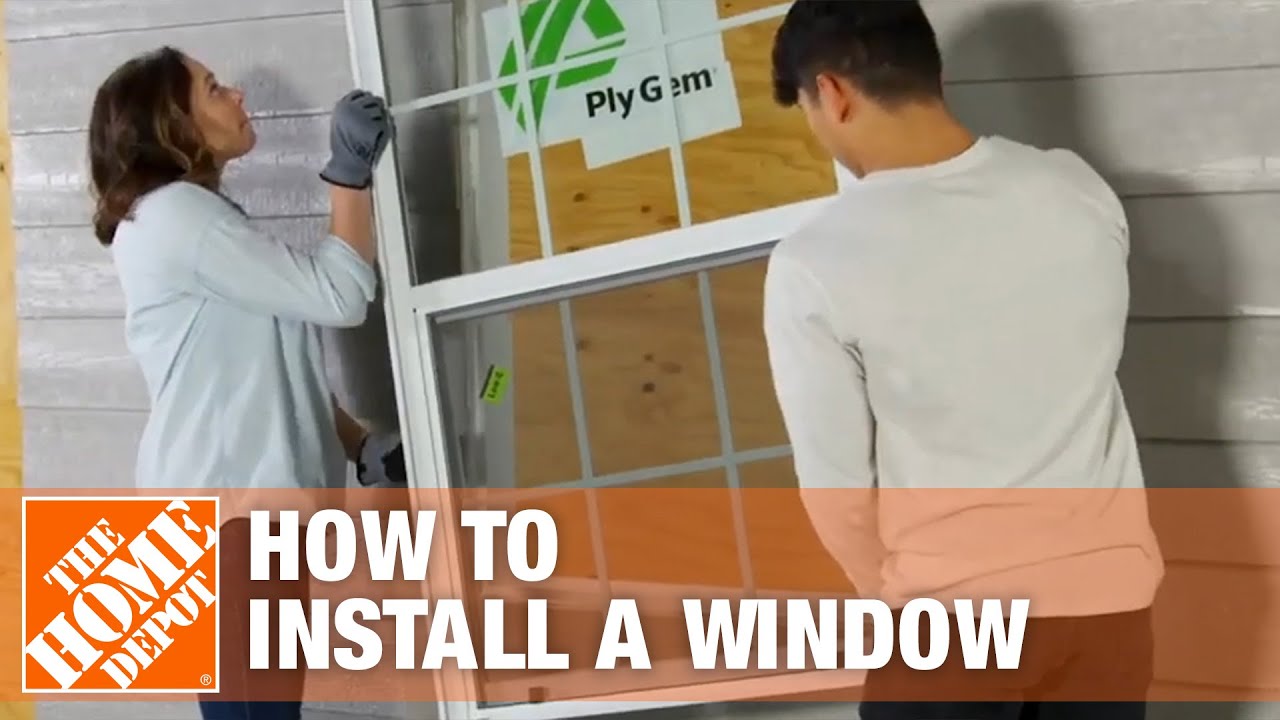
A pair in a 1974 ranch had 12 light weight aluminum sliders with clear glass. Summer mid-days pushed the living room to 84 levels despite a 3-ton AC running. We changed west and south windows first, choosing a dual pane, argon-filled system with a warm-edge spacer, U-factor around 0.27 and SHGC near 0.22, utilizing full framework replacement to remedy rotten sills under 2 systems. We incorporated adaptable sill frying pans and taped flanges to the housewrap, after that shielded the voids with low-expansion foam and secured the indoor plane.
The adjustment was immediate. On a comparable 95-degree day the following summer, indoor temperature held at 76 with visibly longer however gentler air conditioning cycles, and the moisture stayed reduced. Their July bill stopped by around 18 percent contrasted to a three-year ordinary changed for level days. The next year, they phased the north and east elevations with a slightly higher SHGC to keep daytime pleasurable in an unethical breakfast nook. Complete task price rested mid 5 figures, however they captured a government tax credit history and an utility discount after submitting NFRC labels and billings. The more valuable gain, they informed me, was completion of that late mid-day slump where the living-room came to be a no-go zone.
When do it yourself makes sense and when it does not
Handy homeowners can set up insert windows efficiently, particularly on square openings with sound frameworks and easy house siding. The secrets are precise measuring, complying with producer attachment schedules, and correct indoor air securing and exterior caulking. A wetness meter and a determination to slow down at the initial sign of rot are essential.
Full framework replacements, or any type of work that requires cutting down stucco, linking right into housewrap, or integrating with intricate trims and claddings, favor specialist teams. The cost of taking care of a negative flashing information far surpasses the savings of a self-performed work. If you go do it yourself on inserts, choose a slower-curing, low-expansion foam and method on a side or garage home window before taking on the showpiece in the living room.
Environmental and wellness angles
Energy cost savings lower your home's carbon footprint, but there is even more. Lower air leakage limits dust and pollen infiltration via cracks, which can aid allergy sufferers. Better glazing blocks much more UV, protecting materials and wood floors. Some manufacturers offer low-VOC surfaces and sealers. Request for documentation if indoor air top quality is a priority. Reusing old aluminum frames is uncomplicated. Old vinyl and failed protected systems are more difficult. A couple of regions have programs to recover glass and spacer products. If excrement to you, elevate it early and pick a professional that partners with a recycler.
Setting assumptions on guarantees and maintenance
Most top quality home windows carry 10 to two decades on the insulated glass device and varying terms on hardware and finishes. Labor is often restricted to the first year unless you purchase a prolonged plan. Maintain records. If you notice condensation between panes, report it right away, and photograph both the fog and the NFRC label if still existing. Upkeep is moderate. Wash tracks, maintain weep holes clear on sliders and receptacles, and stay clear of silicone sprays that draw in dust on equilibriums. If you chose wood interior, intend on regular finish touch-ups at high sunlight exposures.
The silent self-control of great choices
You do not need one of the most exotic triple pane to win. You require a window bundle aligned with your climate and direct bifold doors Austin exposures, set up to the book, and incorporated right into your wider home efficiency strategy. Take note of U-factor, SHGC, and air sealing information. Choose framework materials that fit your area and tolerance for maintenance. Validate flashing and water administration strategies prior to signing a contract. Phase smartly if the budget requires it.
Window substitute can feel like a huge invest for something you mainly stare through as opposed to at. However the rewards come daily: calmer spaces, well balanced temperatures, quieter mornings, and utility expenses that sting less. Get the combination right, and those returns proceed for decades.